
PART 03 THE INVISIBLE SKILLS

The Invisible Skills That Determine Your Child's Future

"Twenty years from now, employers may not remember your child's report card—but they will value how your child thinks, communicates, collaborates, and adapts."

03
01 BEYOND
REPORT CARDS

For generations, success in school was often measured by one number: marks.

But the world your child will graduate into is dramatically different from the one their parents entered.

Artificial Intelligence is automating routine work. Technology is reshaping industries. New careers are emerging faster than schools can update textbooks. In this rapidly evolving landscape, academic knowledge alone is no longer enough.

The children who thrive tomorrow will be those who know how to learn, adapt, collaborate, innovate, and lead.

The encouraging news? These essential life skills begin developing during the first ten years of school.

BEYOND REPORT CARDS

What Success Really Looks Like

Imagine two students graduating with identical academic scores.

One is confident, curious, and comfortable solving unfamiliar problems. They communicate ideas clearly, work well in teams, and embrace challenges.

The other excels in examinations but struggles with uncertainty, avoids new experiences, and lacks confidence in collaborative settings.

Who is more prepared for university, the workplace, and life?

Increasingly, it is the first student.

This is why leading educators around the world emphasize holistic education—an approach that develops the whole child rather than focusing solely on academic performance.

THE EIGHT SKILLS

What Children Need
Beyond Marks

01
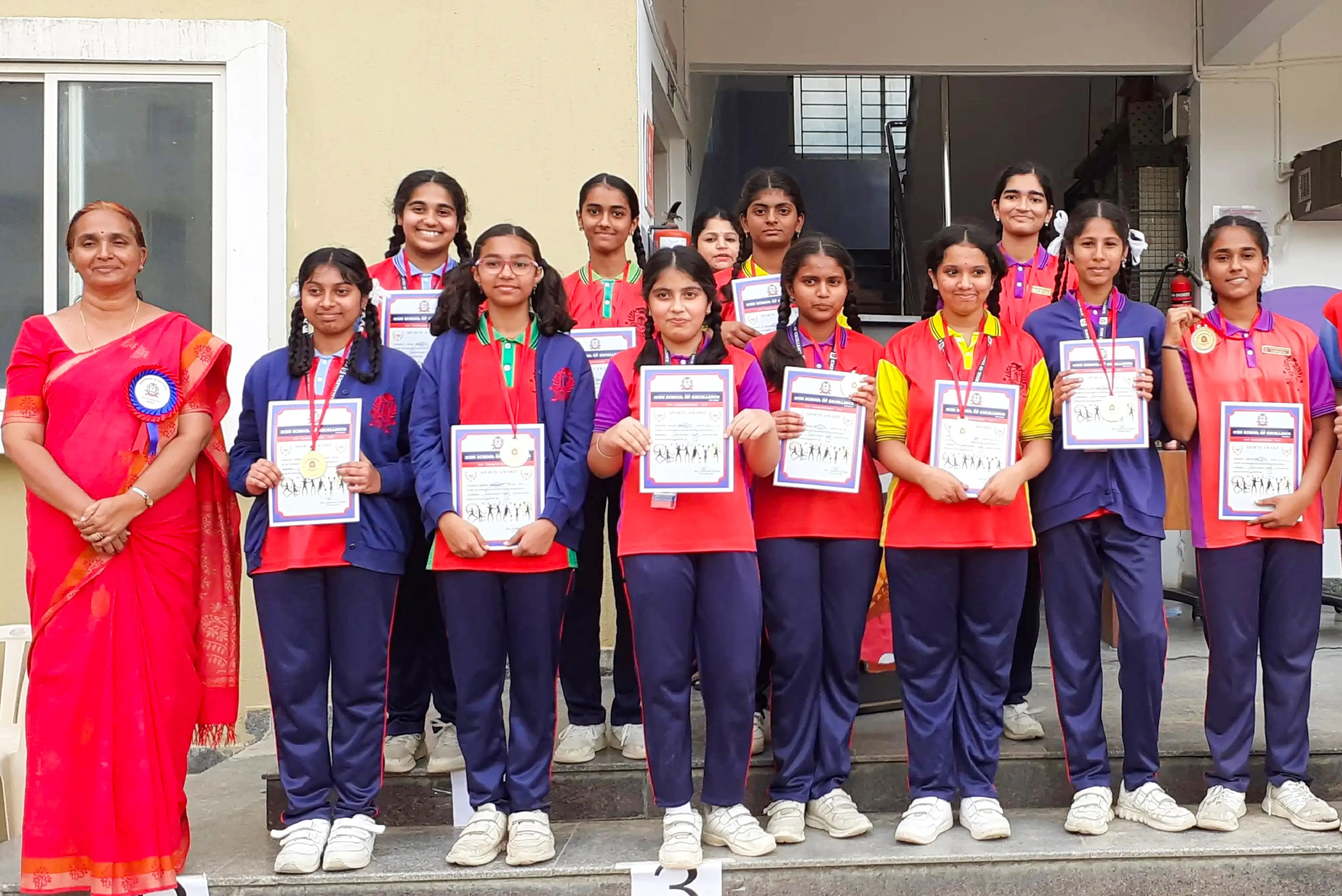
Confidence: The Foundation of Lifelong Learning

Confidence: The Foundation of Lifelong Learning

Children are not born confident.

Confidence is built gradually through everyday experiences.

Each time a child:

  • answers a question in class,
  • presents an idea,
  • performs on stage,
  • participates in sports,
  • solves a challenging problem, or
  • receives encouragement after making a mistake,

they strengthen their belief in their own abilities.

Schools play a powerful role in creating these opportunities.

At ICON School of Excellence, students are encouraged to participate, explore, and express themselves in a supportive environment where mistakes are viewed as valuable learning experiences.

FEATURED SNIPPET ANSWER Why is confidence important in school?

Confidence helps children participate actively, ask questions, embrace challenges, recover from setbacks, and develop a positive attitude toward lifelong learning. Confident students are often more engaged academically and socially.
02
Curiosity: The Beginning of Every Great Discovery

Curiosity: The Beginning of Every Great Discovery

Every child begins life with endless curiosity.

"Why is the sky blue?"

"How do airplanes fly?"

"What happens if…?"

The challenge is not teaching children to be curious.

The challenge is ensuring that curiosity isn't lost.

Schools that reward only correct answers may unintentionally discourage exploration.

Future-ready schools celebrate thoughtful questions just as much as correct responses.

When curiosity is encouraged, children become:

  • independent thinkers,
  • lifelong learners,
  • creative innovators,
  • confident problem-solvers.

This mindset supports success not only in school but throughout life.

03
Emotional Intelligence: The Skill That Shapes Relationships

Emotional Intelligence: The Skill That Shapes Relationships

Academic achievement opens doors.

Emotional intelligence determines how well children navigate the world once those doors open.

Emotionally intelligent children are better able to:

  • understand their feelings,
  • empathize with others,
  • resolve conflicts,
  • communicate respectfully,
  • build meaningful relationships,
  • manage stress,
  • demonstrate resilience.

These qualities contribute to stronger teamwork, better leadership, and healthier well-being.

Schools that foster kindness, empathy, gratitude, and collaboration create learning environments where every child feels valued.

04
Communication: The Skill Behind Every Future Career

Communication: The Skill Behind Every Future Career

Regardless of whether your child becomes:

  • a doctor,
  • engineer,
  • entrepreneur,
  • scientist,
  • lawyer,
  • designer,
  • teacher,
  • researcher,

they will need to communicate effectively.

Communication extends beyond speaking English fluently.

It includes the ability to:

  • explain ideas,
  • listen actively,
  • ask thoughtful questions,
  • write clearly,
  • present confidently,
  • collaborate respectfully.

Children begin developing these abilities from their earliest classroom interactions.

Activities such as storytelling, debates, presentations, group discussions, and project work all contribute to stronger communication skills.

05
Critical Thinking: Preparing Children for a World Full of Information

Critical Thinking: Preparing Children for a World Full of Information

Today's children have access to more information than any previous generation.

The challenge is no longer finding information.

It is knowing:

  • what is accurate,
  • what is misleading,
  • how to analyze evidence,
  • how to evaluate different viewpoints,
  • how to make informed decisions.

Critical thinking enables children to move beyond memorization and develop genuine understanding.

Schools that encourage inquiry-based learning, research, experimentation, and discussion help students build this essential capability.

06
Creativity: The Future Belongs to Innovators

Creativity: The Future Belongs to Innovators

Creativity is often misunderstood.

It isn't limited to painting, music, or drama.

Creativity is the ability to generate new ideas, connect concepts, and solve problems in original ways.

Every industry values creative thinkers.

Creative children learn to:

  • innovate,
  • experiment,
  • adapt,
  • design,
  • invent,
  • improve existing solutions.

Schools that integrate arts, STEAM education, design thinking, and project-based learning help nurture this mindset.

07
Collaboration: Learning to Succeed Together

Collaboration: Learning to Succeed Together

Few careers today involve working alone.

Whether developing software, designing buildings, conducting scientific research, or running businesses, success depends on teamwork.

Children learn collaboration through:

  • classroom projects,
  • sports,
  • leadership activities,
  • science exhibitions,
  • cultural events,
  • student councils,
  • community initiatives.

Learning to appreciate different perspectives prepares students for an increasingly interconnected world.

08
Resilience: Helping Children Thrive Through Challenges

Resilience: Helping Children Thrive Through Challenges

Failure is not the opposite of success.

It is often part of the journey.

Children who develop resilience understand that setbacks provide opportunities for growth.

Resilient students are more likely to:

  • persevere through difficult tasks,
  • remain motivated,
  • embrace constructive feedback,
  • recover from disappointment,
  • continue striving toward their goals.

Supportive schools help students develop resilience by encouraging effort, celebrating progress, and fostering a growth mindset.

A PARENT'S CHECKLIST

Is Your Child's School
Preparing Them for Life?

Use this simple checklist when evaluating any school:

QUESTION YES NO

Does the school encourage curiosity and questioning?

Are communication and presentation skills emphasized?

Does the curriculum promote critical thinking over rote memorization?

Are students encouraged to participate in arts, sports, and leadership activities?

Is emotional well-being given equal importance to academics?

Does the school celebrate effort, creativity, and collaboration?

Are teachers approachable mentors rather than just instructors?

Does the learning environment inspire confidence and independence?

If you answer "Yes" to most of these questions, you're likely considering a school that prepares children not just for examinations—but for life.

ICON School of Excellence
ICON SCHOOL OF EXCELLENCE

How ICON School of Excellence Brings These Skills to Life

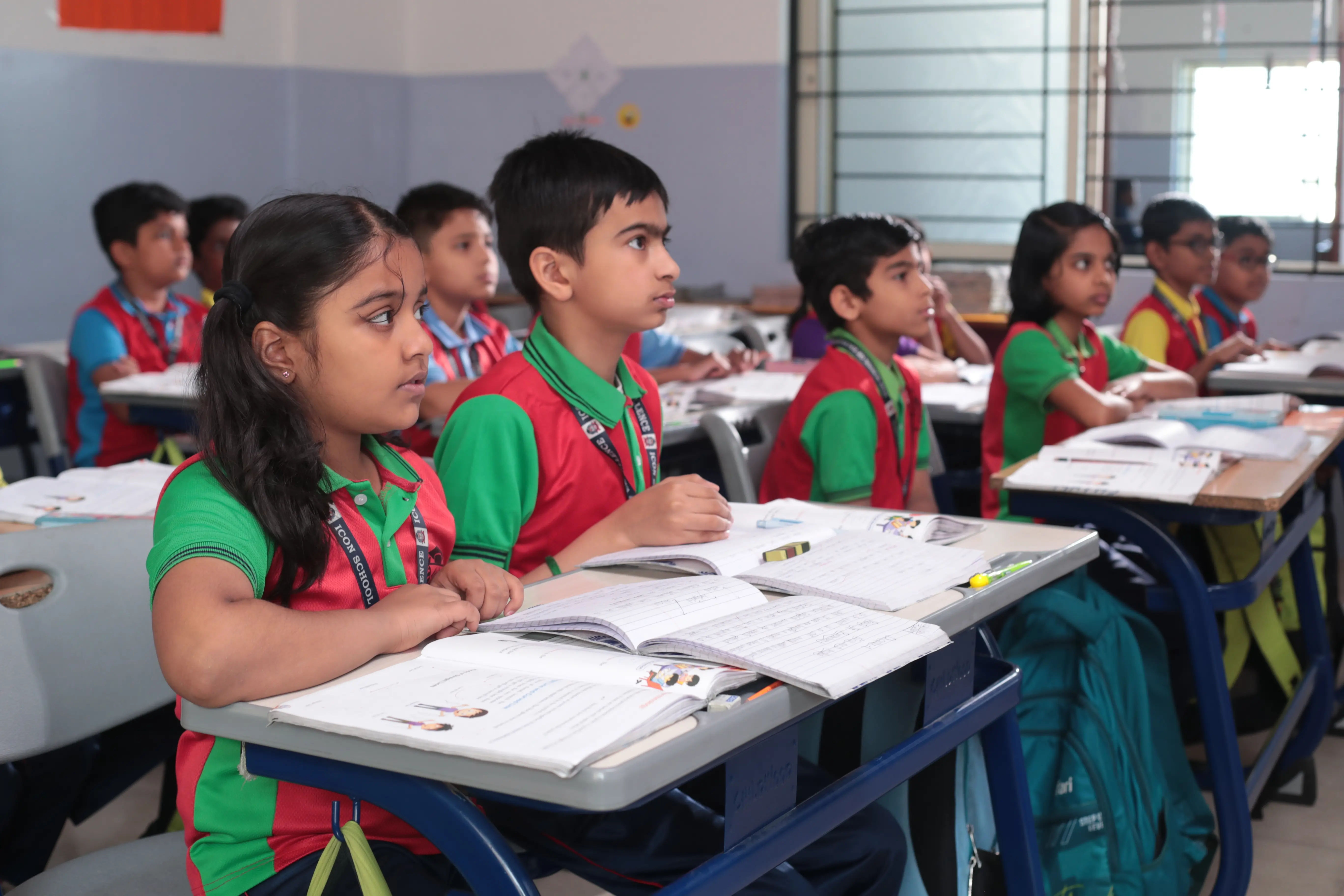
At ICON School of Excellence, education extends beyond academic achievement. The school's philosophy centers on nurturing confident, compassionate, and capable learners through a balanced approach that combines the ICSE curriculum with opportunities for inquiry, creativity, collaboration, and character development.

Students engage in interactive classrooms, STEAM-based learning, co-curricular activities, leadership opportunities, and value-based education. This holistic approach helps them strengthen not only academic foundations but also the communication, resilience, empathy, and critical thinking skills needed for lifelong success.